










MU-SDGs Case Study* | Driving the Implementation of Water Management in the Bueng Boraphet Wetland | ||
Principal Implementer* | Napon Anuttarunggoon, Ph.D | Core Unit* | Mahidol University, Nakhonsawan Campus |
Co-Implementer | Mr. Yuthichai Hothai Ms. Wimonrat Atthaboon Mr. Tanakorn Junmakasit Mrs. Chitiphakan Prachan | Collaborating Unit | Nakhonsawan Governance Bueng Boraphet Non-hunting Area Mechanical Section, Regional Water Resources Office 2 (Department of Water Resources) Nakhon Sawan Irrigation Project Office Nakhon Sawan Provincial Fisheries Office Nakhon Sawan Provincial Treasury Office Local Administrative Organization of 11 sudbdistricts Water Users’ Organizations from 9 Subdistricts around Bueng Boraphet |
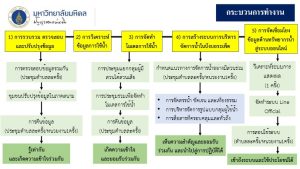
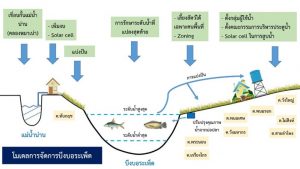
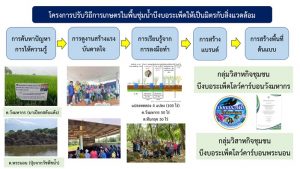
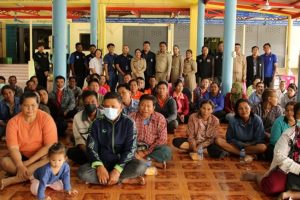
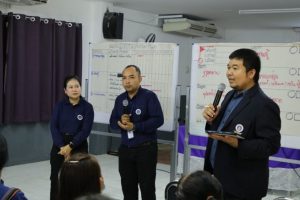
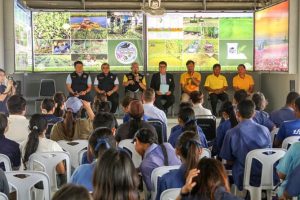
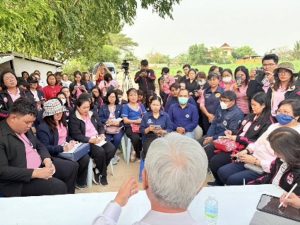
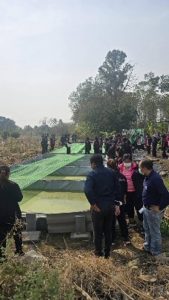
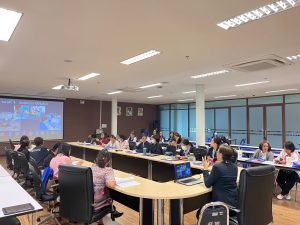
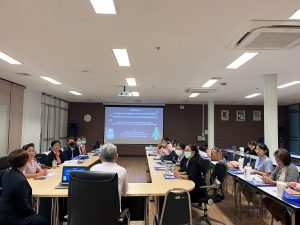
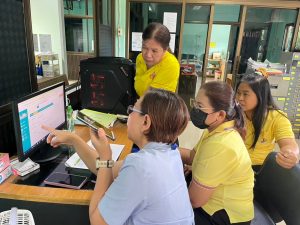
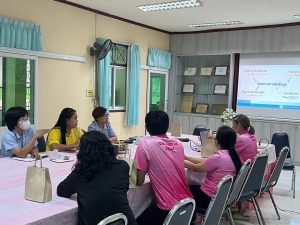
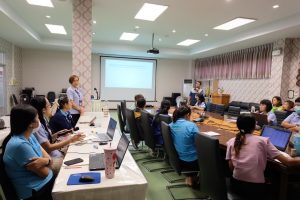
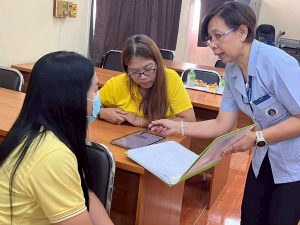
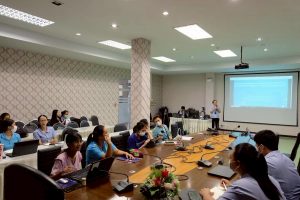
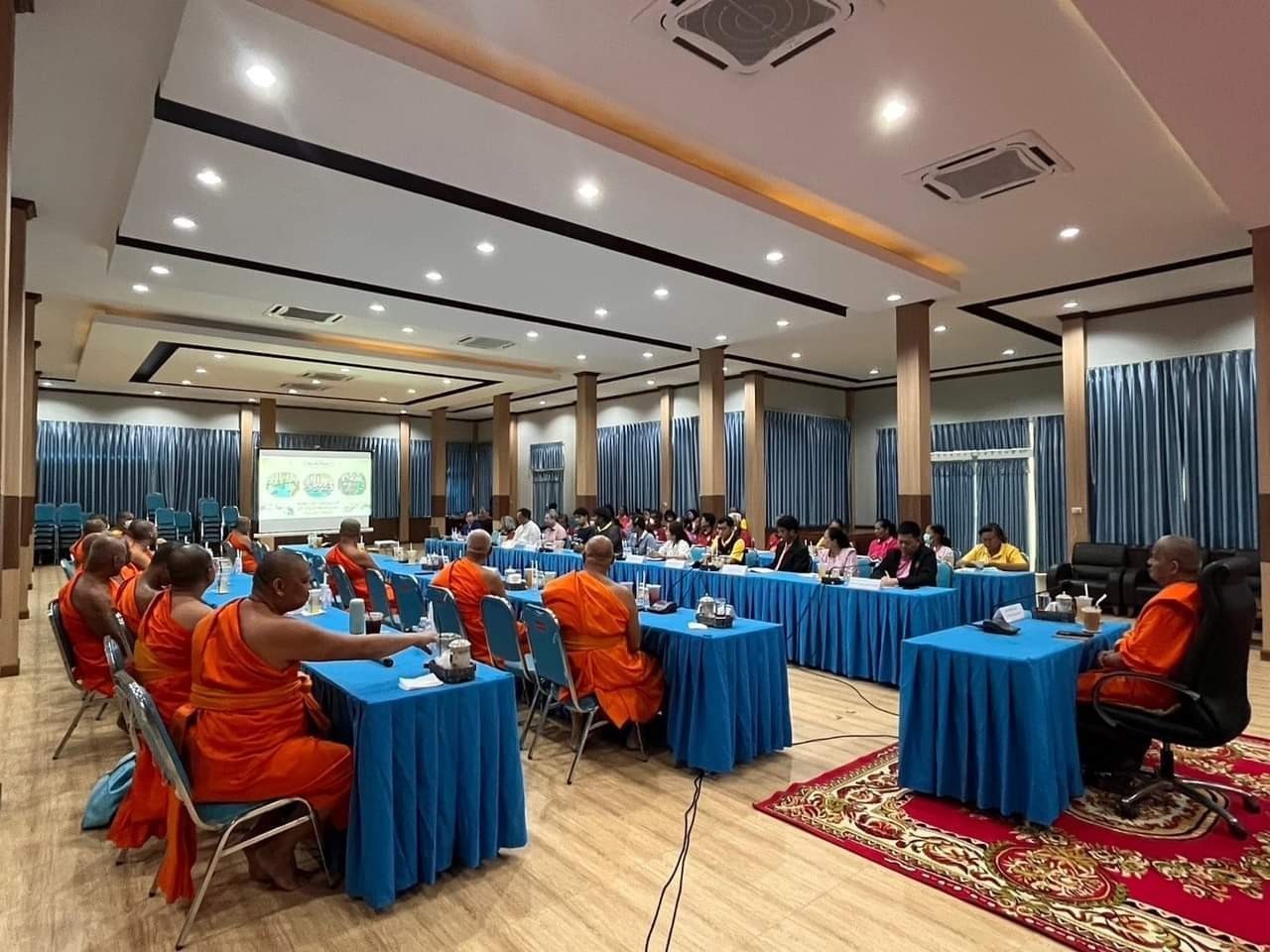
Content* | Introduction Bueng Boraphet is an internationally significant wetland and the largest freshwater lake in Thailand, featuring rich biodiversity in its flora, aquatic life, and wildlife. The lake was artificially created under royal permission from King Rama VII to serve as a water reservoir. Before the construction of the weir to form the lake, local inhabitants were already living in the area and were subsequently relocated to the lake’s perimeter. Over time, encroachment and diverse land use practices led to a myriad of complex, overlapping issues. The Royal Fisheries Department requested the use of the area as a fish sanctuary in 1926, a total of 132,737 rai and 56 square wah, spanning 10 subdistricts: Kwae Yai, Kriang Krai, Nong Pling, Thap Krit, Phanom Set, Wang Makorn, Phra Non, Klang Daet, Nakhon Sawan Ok, and Phanom Rok. In 1975, the Bueng Boraphet Non-Hunting Area was declared, covering 66,250 rai. This resulted in three overlapping laws governing the area, managed by 13 different agencies. Additionally, there are 5,684 households residing within the lake’s boundaries. Water Utilization and Challenges Water from Bueng Boraphet is utilized for various purposes, including fishing, agricultural irrigation, aquaculture, tourism, and consumption. However, due to the lake’s shallow, bowl-like shape, it cannot retain a large volume of water. This leads to intense competition for resources, especially during periods of high rice prices when water is pumped uphill for over 30 kilometers for cultivation. This has created conflicts over water between farmers and fishermen, and even among farmers themselves. Consequently, there is often an insufficient supply of raw water for village water systems during the dry season, impacting residents’ quality of life and causing environmental degradation. In the past, the government has attempted to solve the problem through dredging sediment, but this has been insufficient due to sediment runoff from upstream, the accumulation of aquatic weeds, and the release of water from plowing rice fields around the lake. Without proper management, the lake could become completely silted and lose its function. The Department of Water Resources installed an electric pumping system to draw water from the Nan River into the lake to preserve its ecosystem. However, this has led to a new problem: farmers along the canal divert the water for agriculture, preventing it from fully reaching the lake. The issues of water use and conflict have been a major problem since 2017. If left unresolved, these problems could lead to community conflict, a lack of unity, and a critical deterioration of the environment. Proposed Solution There is a pressing need to drive water management in the Bueng Boraphet wetland by establishing a system based on listening to feedback, creating awareness, fostering collaboration, and working together. This serves as a democratic innovation for solving local issues and can be a model for other areas. The Bueng Boraphet Management Committee, Nakhon Sawan Province, approved this initiative on July 6, 2021, and sought funding from Mahidol University’s social-led policy-driven project. The goal is to establish a participatory water management system in the Bueng Boraphet wetland that includes all sectors. Project Outcomes The outcomes of the project, “Water Management in the Bueng Boraphet Wetland,” are divided into two phases: the establishment of the water management system and the implementation of the water management system. Details are as follows: 1) Phase 1: Establishing the Water Management System This phase was implemented in 2022 to build a shared understanding among stakeholders in Bueng Boraphet, including government agencies, local communities in each subdistrict, and academic institutions. This was achieved by collecting geospatial water resource data, which was then analyzed and presented at various meetings. Problems and needs from each area were also documented and shared with all sectors to ensure everyone had access to the same information and could build a mutual understanding. Academic data on water usage was analyzed for statistical significance to create a shared water-use model. This process was designed to lead to a water management system with a mutually accepted operational
Figure 1 Project Implementation Steps
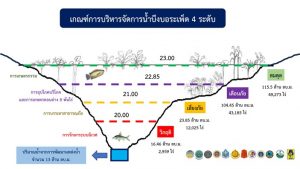
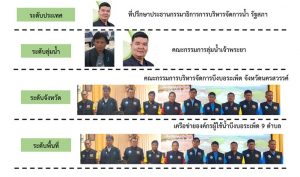
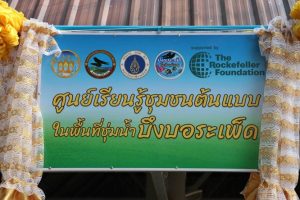
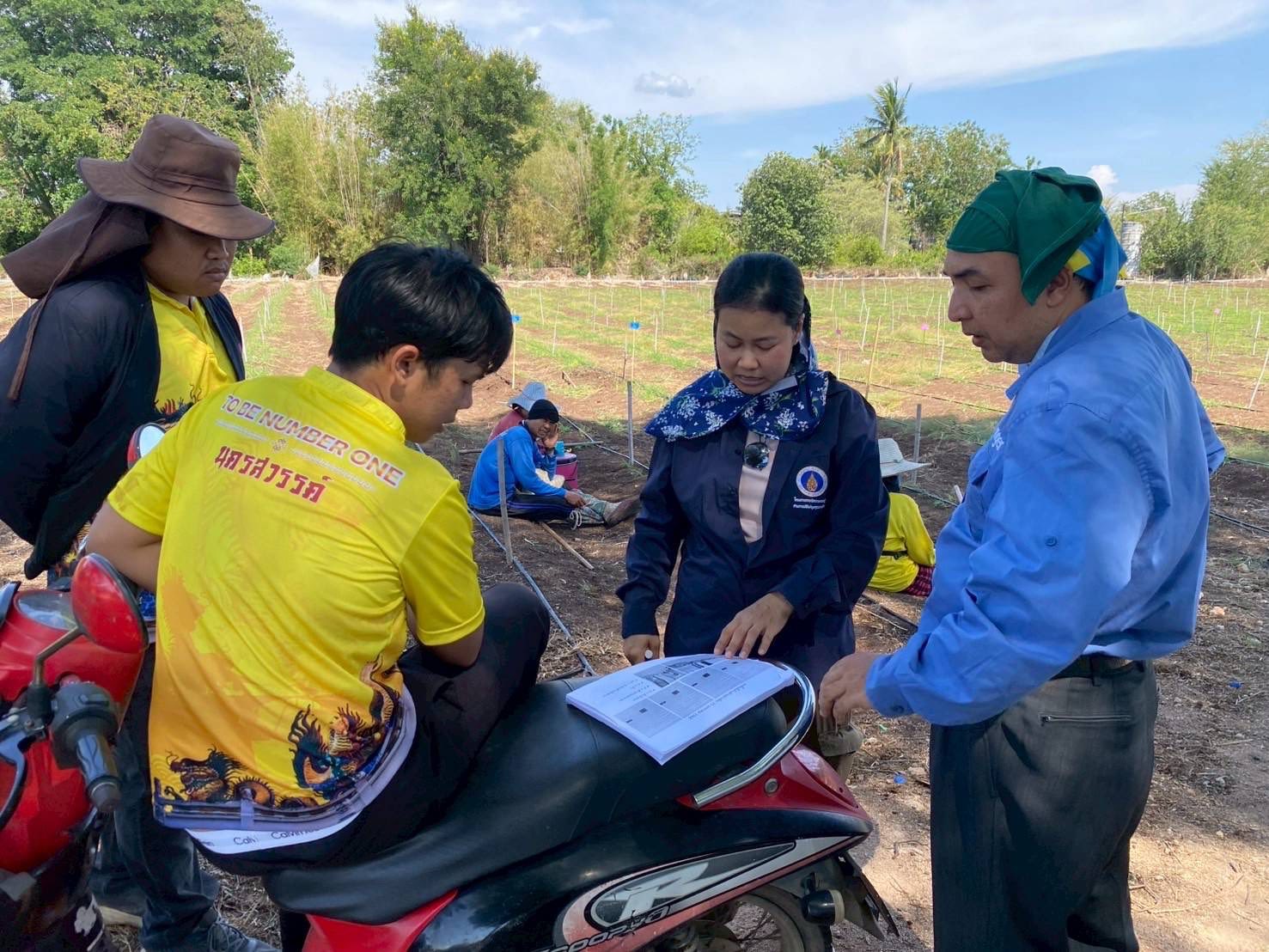
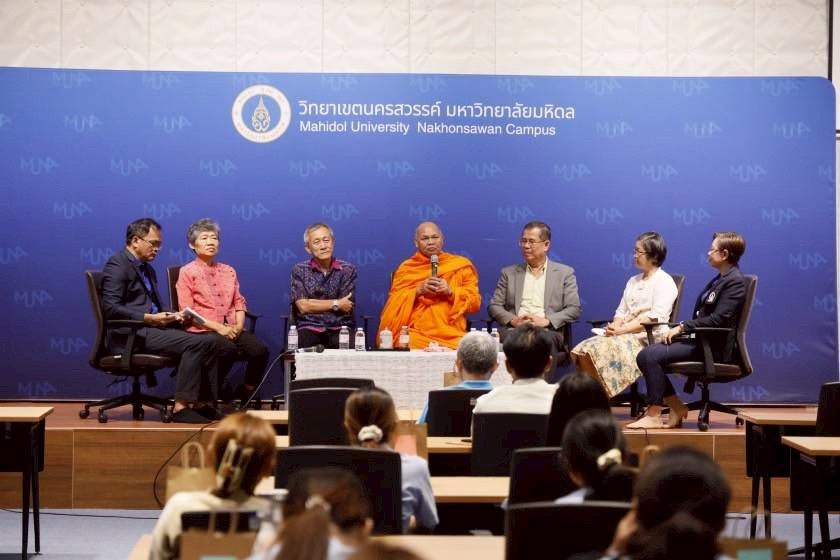
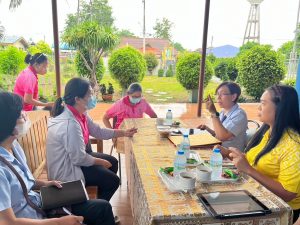
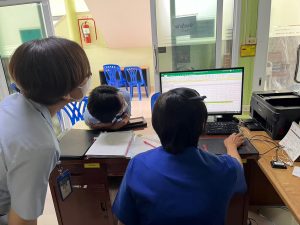
2) Phase 2: Implementing Water Management Project outcomes have shown that an additional four Water Users’ Organizations were established, connecting areas both inside and outside the lake, bringing the total to nine subdistricts. The public became aware of the importance of water use, leading to the registration of 3,723 users covering 5,011 plots totaling 69,871 rai, both within and outside the Bueng Boraphet area. The Bueng Boraphet Data Center became operational, providing data support to various committees. Furthermore, the Faculty of Environment and Resource Studies, Mahidol University, provided additional support to the Bueng Boraphet network by developing the Bueng Boraphet–Water Image Downloader system, which allows for the full utilization of satellite imagery. The water management learning center has also received more than 200 visitors for study tours. A key indicator of success is the reduction of conflict to zero in 2023-2024. The Bueng Boraphet Management Committee also certified four levels of water management criteria (see Figure 4) to serve as a guideline for participatory decision-making. At its first meeting in 2024, the Bueng Boraphet Management Committee, Nakhon Sawan Province, officially endorsed the “Bueng Boraphet Wetland Water Management System” to ensure all sectors can drive it forward officially and sustainably.
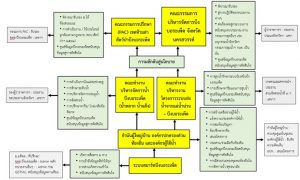
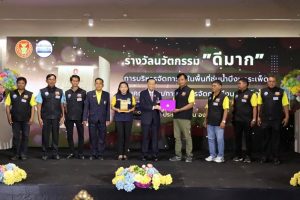
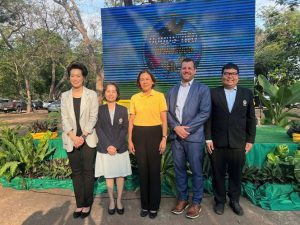
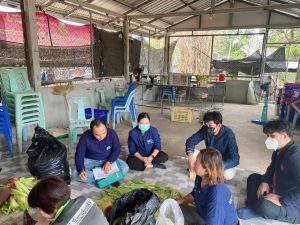
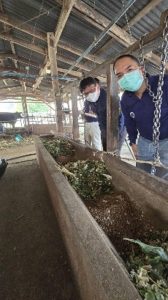
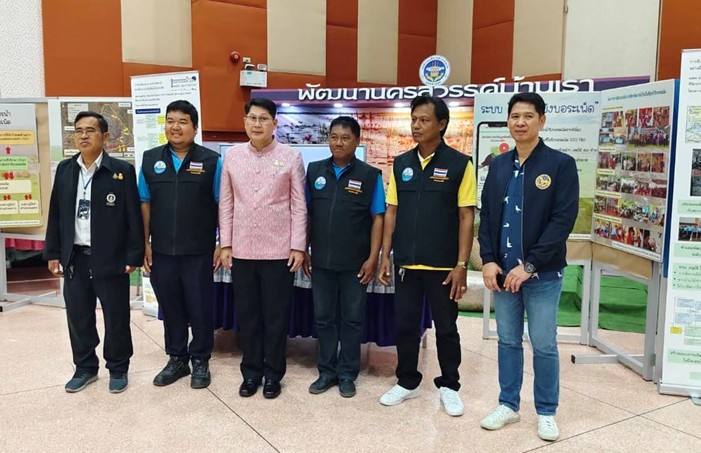
The Bueng Boraphet Network submitted an entry in the Community and Organization category of the 2024 Parliamentary Innovation for Democracy Contest. The project, titled “Water Management in the Bueng Boraphet Wetland,” was submitted on behalf of the Bueng Boraphet Management Committee, which fostered a sense of shared ownership among all sectors at both the community and provincial levels. The competition involved a document-based screening round, an online presentation round, and an exhibition booth presentation to the committee at the Parliament Building. The project was awarded a “Very Good” prize, and the award plaque was received from Mr. Wan Muhamad Nor Mata, the Speaker of the House of Representatives, on September 19, 2024, at the Parliament Building (Figure 5). Figure 5: Awarded a “Very Good” Prize at the Parliament’s “Innovation for Democracy” Contest, Community and Organization Category Next Phase (2024-2025) The upcoming phase has built upon water management by expanding into livelihood development for local residents. This includes promoting environmentally friendly agricultural practices through Alternate Wetting and Drying (AWD) rice cultivation, which uses less water and reduces greenhouse gas emissions. Additionally, the project is developing compost from Bueng Boraphet aquatic weeds, which both generates income for the community and reduces greenhouse gas emissions from decomposing vegetation. The water management initiatives in the Bueng Boraphet wetland—including the establishment of the management system and its implementation over the past two years—represent a democratic innovation in which all sectors have participated in every process. The project has fostered collaboration, listened to feedback, and promoted joint learning and action, which has smoothly transitioned into policy at the legislative level. As this approach has been mutually accepted by all parties, the process can be driven forward sustainably and can serve as a model for other areas. In light of these successes, the Department of Climate Change and Environment (DCCE) and the Thailand Environment Institute (TEI) conducted a field visit to document lessons learned from the “Bueng Boraphet” wetland management as a model for climate change adaptation in water management. In 2025, the Bueng Boraphet Network has gained higher-level recognition. Two of its members were selected to serve on the Chao Phraya River Basin Committee: the Chairman of the Thap Krit Sub-district Water Users’ Organization was chosen to represent the agricultural sector, and a representative from the Nakhon Sawan Campus Establishment Project was selected as an expert on the committee and appointed as an advisor to the Chairperson of the Parliamentary Committee on Water Resources Management.
Figure 6: The Participation of the Bueng Boraphet Network in the Water Management Mechanism | ||
Key SDGs Aligned with Project Activities* | SDGs6 | เป้าประสงค์ย่อยใน SDG หลัก* | 6.4, 6.6, 6.b |
Other relevant SDGs | SDGs13,14,15,17 | เป้าประสงค์ย่อยใน SDG อื่นๆ | 13.1, 14.2.1, 15.1, 17.1 |
| Links for more inforamtion * | |||
The Governor of Nakhon Sawan Extended Thanks to Mahidol University. Mahidol University was granted an audience to present information to His Majesty’s Principal Private Secretary. Public Media Appearanceshttps Academic Services to the Network Parliamentary Innovation for Democracy Contest Bueng Boraphet” Wetland Management: Lessons Learned for Climate Change Adaptation (by the DCCE) | |||
MU-SDGs Strategy* | Strategy 3 | ||
Partners/Stakeholders* | Nakhonsawan Governance Bueng Boraphet Non-hunting Area Mechanical Section, Regional Water Resources Office 2 (Department of Water Resources) Nakhon Sawan Irrigation Project Office Nakhon Sawan Provincial Fisheries Office Nakhon Sawan Provincial Treasury Office Local Administrative Organization of 11 Subdistricts Water Users’ Organizations from 9 Subdistricts around Bueng Boraphet | ||
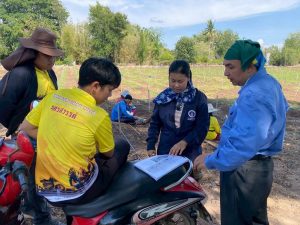
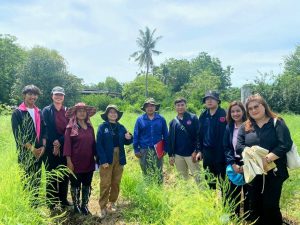
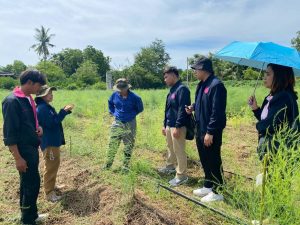
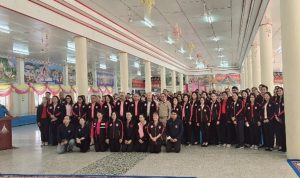
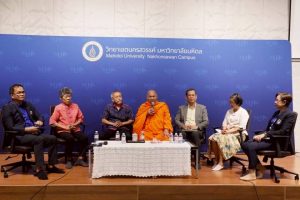
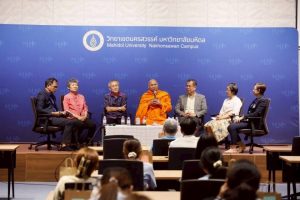
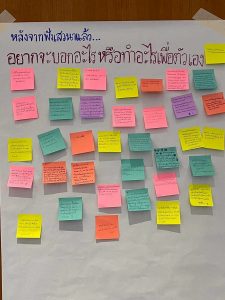
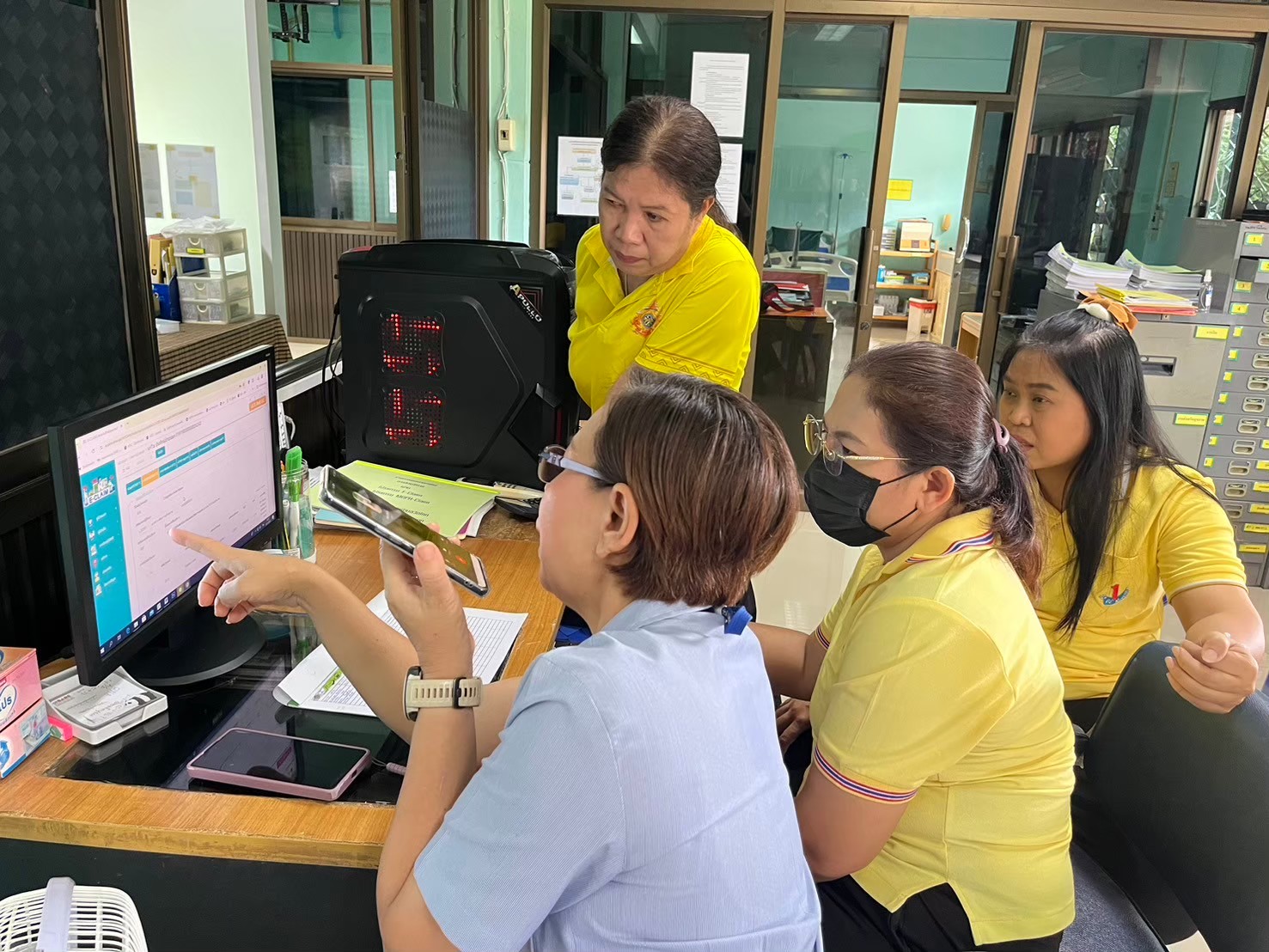
Figures (3-5 ภาพ)* | 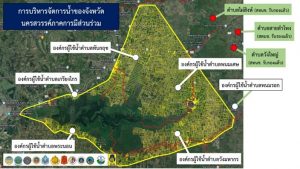 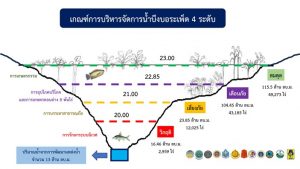 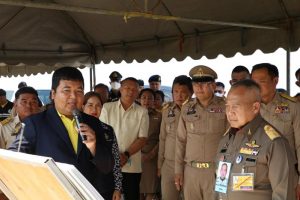 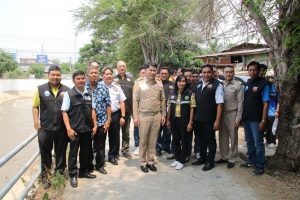 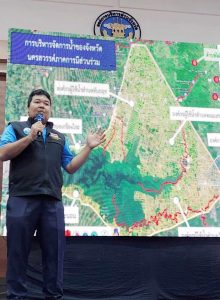 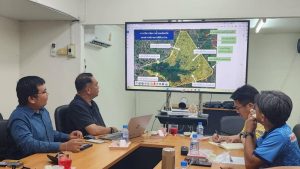 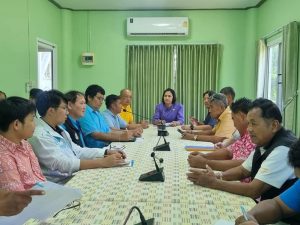  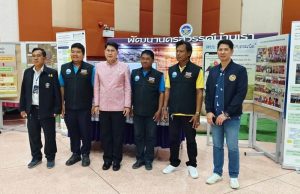 | ||
Key Message* | Serving as a Pillar of Support for a Network is a Core Mission of Academic Institutions. | ||
Relevant THE impact ranking indicators | 6.5.5 | ||
| For Thai Language, click here. | |||